
Article by SSBM Geneva professor Dario Silic, PhD
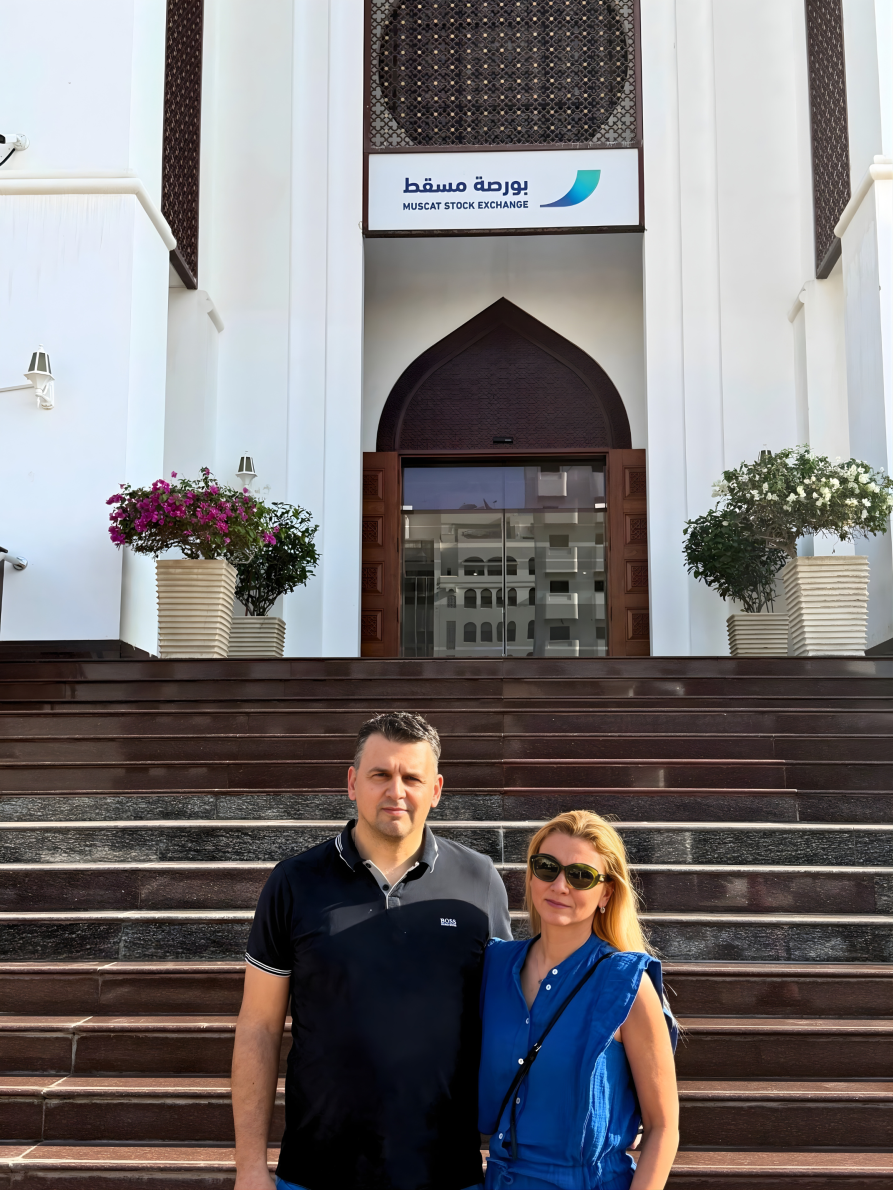
I recently had the pleasure of visiting the Muscat Stock Exchange (MSX) as a professor from SSBM Geneva, and it was inspiring to see firsthand how Oman’s capital market is evolving.
What impressed me most was the clear alignment between MSX’s development strategy and Oman Vision 2040. The exchange is not merely functioning as a trading platform, structural pillar in the Sultanate’s broader economic diversification agenda. Moving beyond oil dependency, Oman is actively strengthening its financial markets to attract both regional and international capital, enhance liquidity, and promote private-sector growth.
I recently had the pleasure of visiting the Muscat Stock Exchange (MSX) as a professor from SSBM Geneva, and it was inspiring to see firsthand how Oman’s capital market is evolving.
What impressed me most was the clear alignment between MSX’s development strategy and Oman Vision 2040. The exchange is not merely functioning as a trading platform, structural pillar in the Sultanate’s broader economic diversification agenda. Moving beyond oil dependency, Oman is actively strengthening its financial markets to attract both regional and international capital, enhance liquidity, and promote private-sector growth.
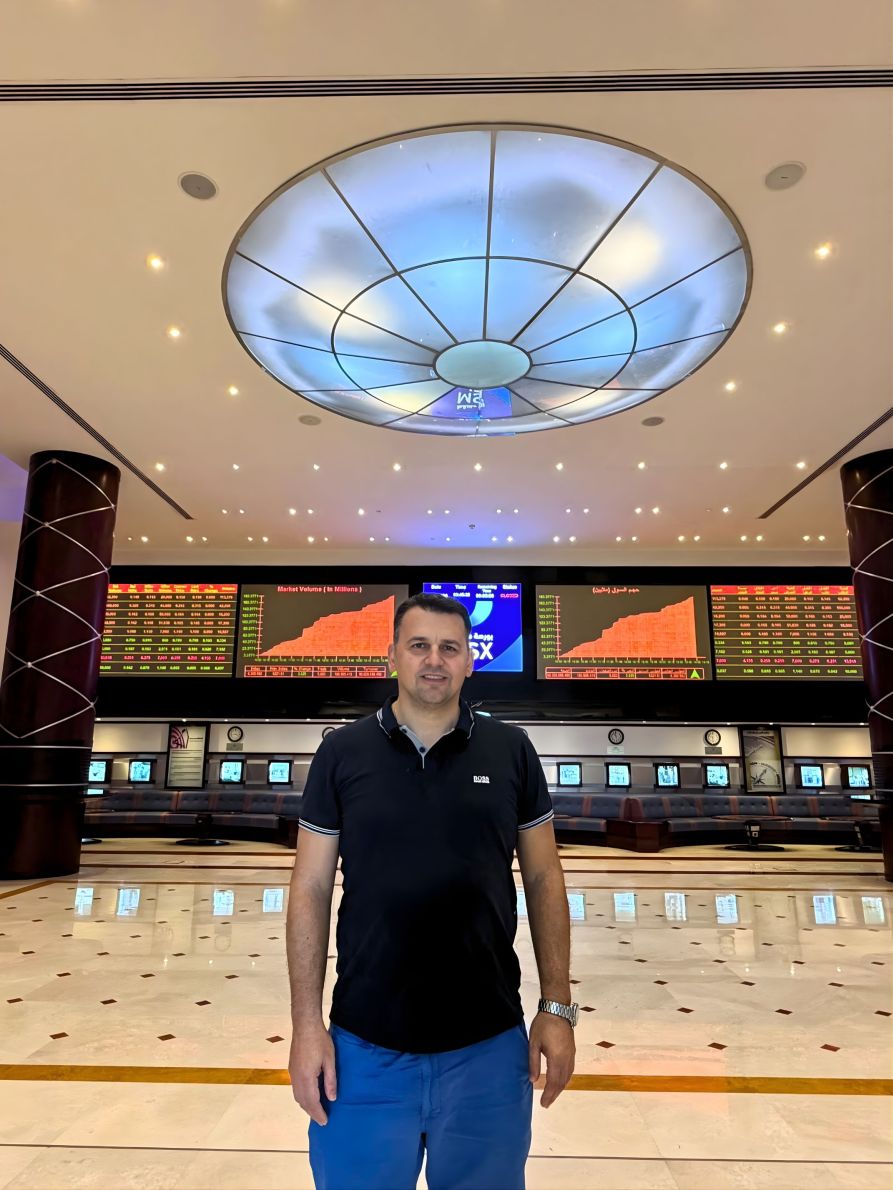
The modernization efforts are tangible. From digital infrastructure upgrades and post-trade enhancements to improved corporate governance standards and greater transparency requirements, MSX demonstrates a strong commitment to international best practices. These elements are critical for building investor confidence—especially among institutional investors assessing frontier and emerging markets.
The MSX plays a central role in Oman’s financial ecosystem with around 110-odd listed companies spanning banking, energy, industrials, and services.
One of the most striking facts is the market’s scale and momentum: total market capitalization has risen to about OMR 33.5 billion (roughly ~US$87 billion) early in 2026, reflecting renewed investor interest and stronger share valuations.
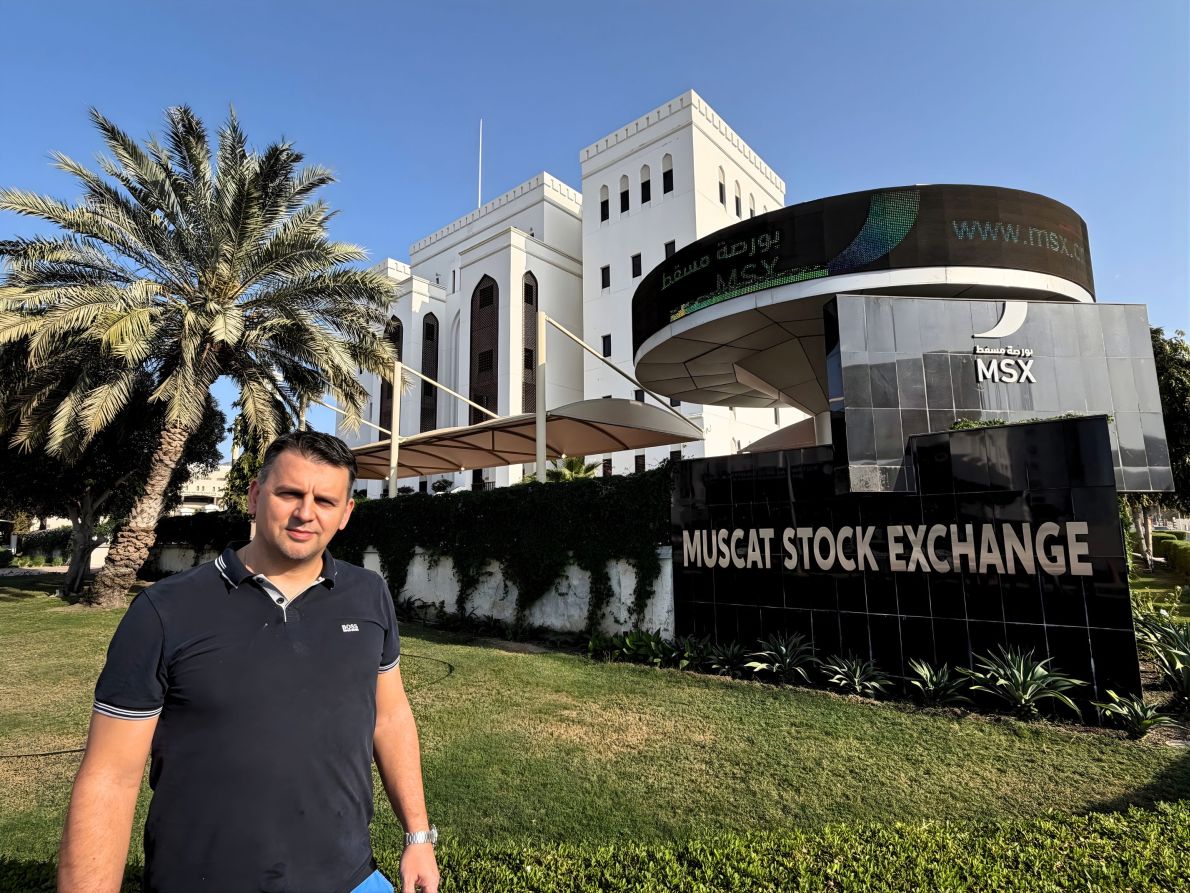
Trading activity in 2025 was especially notable — total trading value surpassed OMR 5 billion, driven by local institutions and increased liquidity across stocks, bonds and sukuk.
The exchange’s main benchmark, the MSM 30 Index, which tracks the top 30 companies, has been climbing, underscoring rising confidence in the market’s fundamentals and growth outlook.
Beyond numbers, what stood out was MSX’s focus on modern infrastructure, transparency, and investor education — all essential for attracting both local and global capital.
From an academic perspective, visiting MSX reinforces how capital markets in emerging economies can serve as laboratories of transformation. For our students at SSBM Geneva—particularly those studying finance, investment management, and AI in financial markets—such examples provide valuable case studies on market development, regulatory evolution, and digital transformation in practice.
For students and practitioners alike, the Muscat Stock Exchange offers a compelling example of how emerging markets can blend tradition with strategic financial development.