

Article written by Dr. Olesya Meskina, Head of Academic Programs
Teaching business without teaching human rights is, increasingly, teaching an incomplete picture. The UN Guiding Principles on Business and Human Rights establish a clear framework: states carry obligations to protect human rights; business enterprises, regardless of size, sector, or structure, are required to comply with applicable laws and to respect those rights; and where rights are breached, effective remedies must follow (OHCHR, 2011). These principles apply universally, and they are designed not as aspirational language but as the foundation for socially sustainable globalisation. For anyone studying business today, this is not a peripheral concern. It is the modern framework of responsible, sustainable enterprise.
At SSBM, this conviction shapes how we structure our programs and research, not just in what students read, but in where we place them.
SSBM Geneva maintains working relationships with NGOs holding ECOSOC consultative status, the formal UN accreditation that allows civil society organisations to participate in sessions of the Economic and Social Council, the Human Rights Council, and related bodies. This status grants access to high-level meetings, side events, and direct engagement with member state delegations. It is the primary channel through which civil society influences UN policy in real time, and it is where our students gain access to processes most business school graduates never encounter.
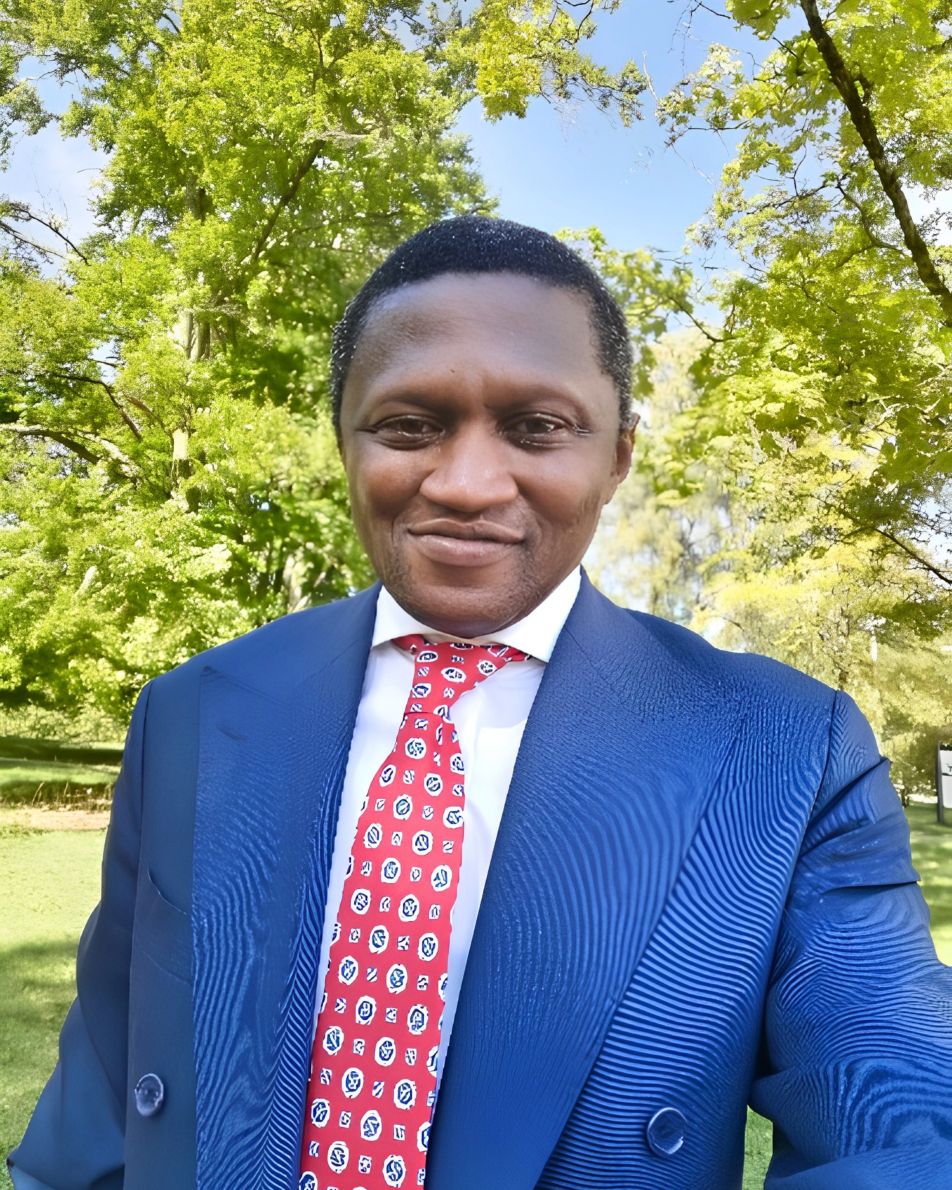
A one of the figures who has been central to this work is Mr. Biro Diawara, Secretary General of Interfaith International. With over 25 years inside the UN multilateral system across democracy promotion, trade, and interfaith dialogue, with civil society networks spanning Geneva, New York, African delegations, and institutions across Europe and Asia, he brings a quality of institutional knowledge that no curriculum can replicate. For our doctoral researchers, he serves as a key mentor: someone who can make the UN and NGO framework legible not as an abstract structure, but as a living system he has navigated for decades.
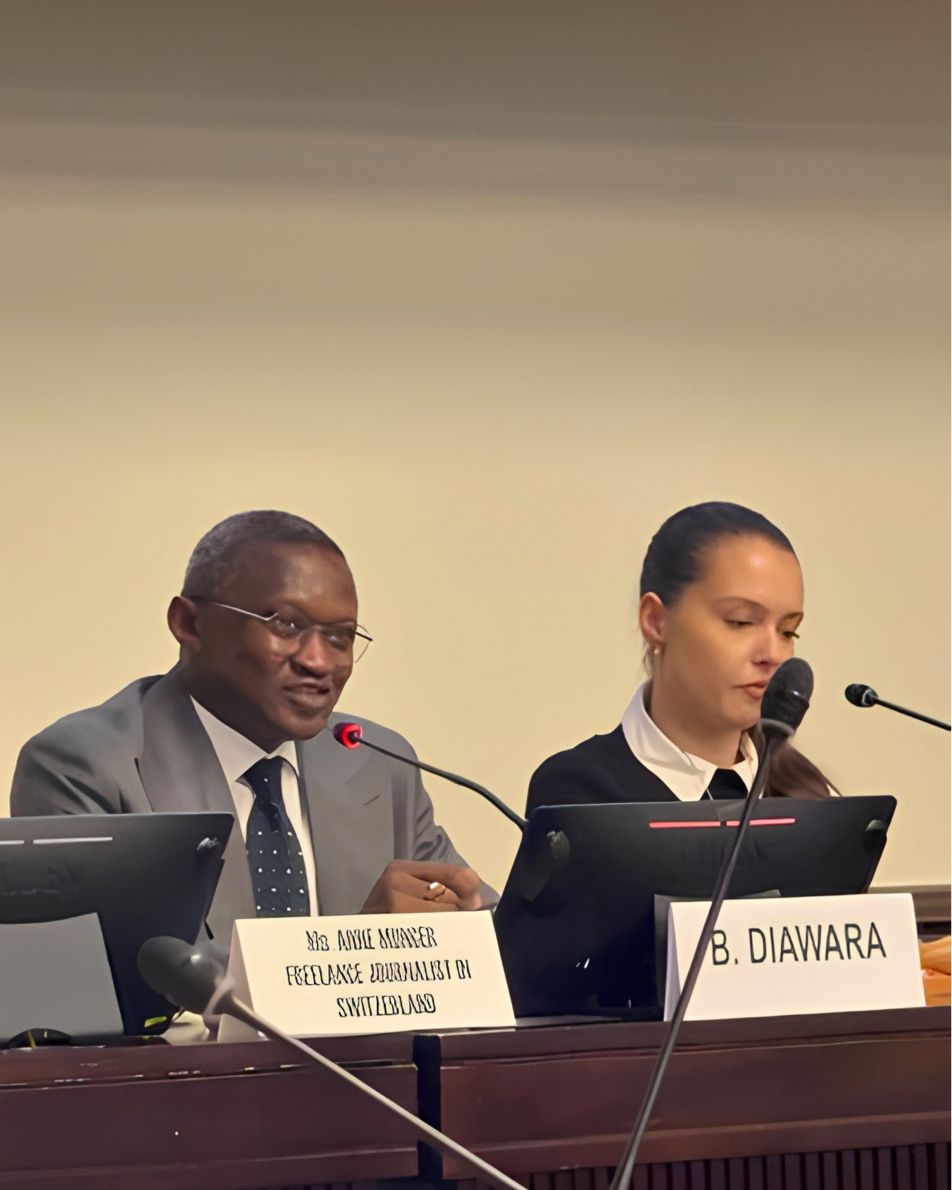
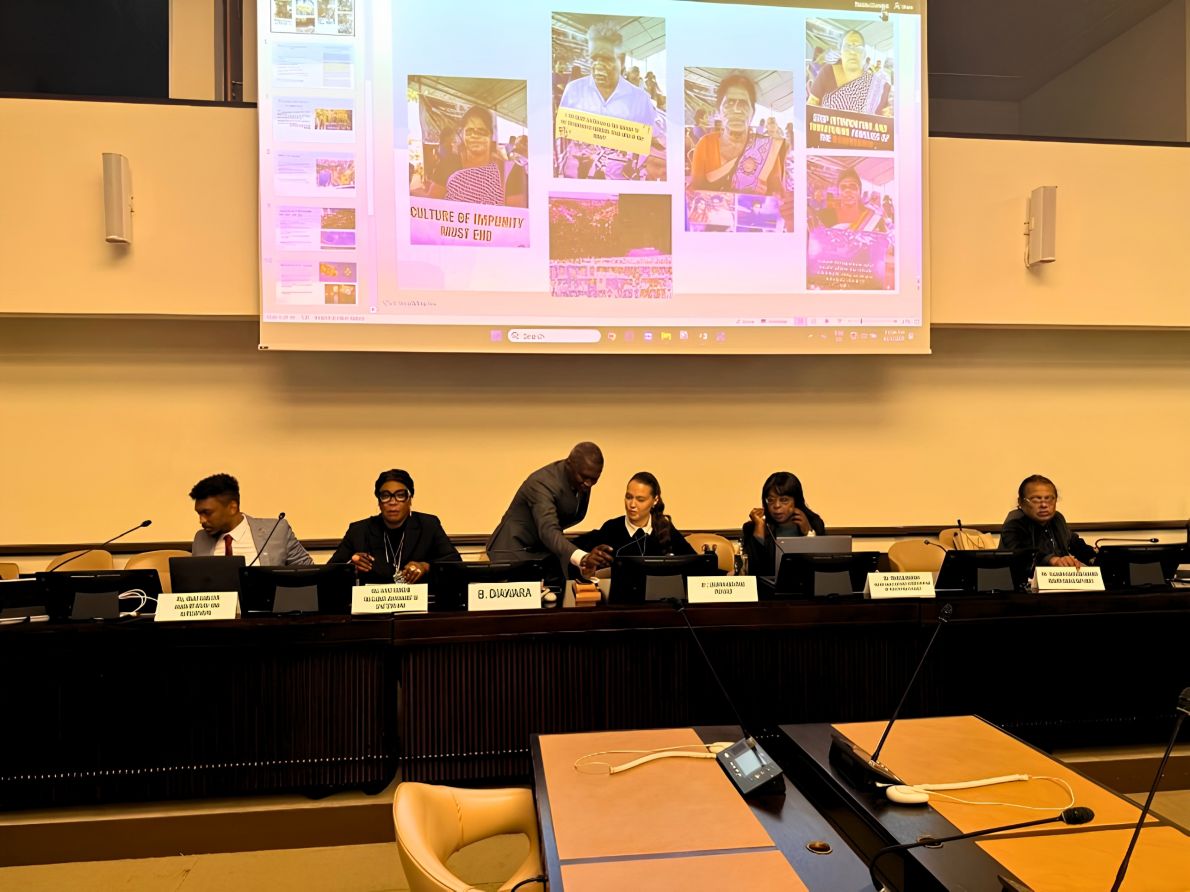
Panel session at the UN Human Rights Council. Pictured: B. Diawara (Interfaith International) and Dr. Liridona Krasniqi Popovici (SSBM) as panel participants, Geneva, March 2026.
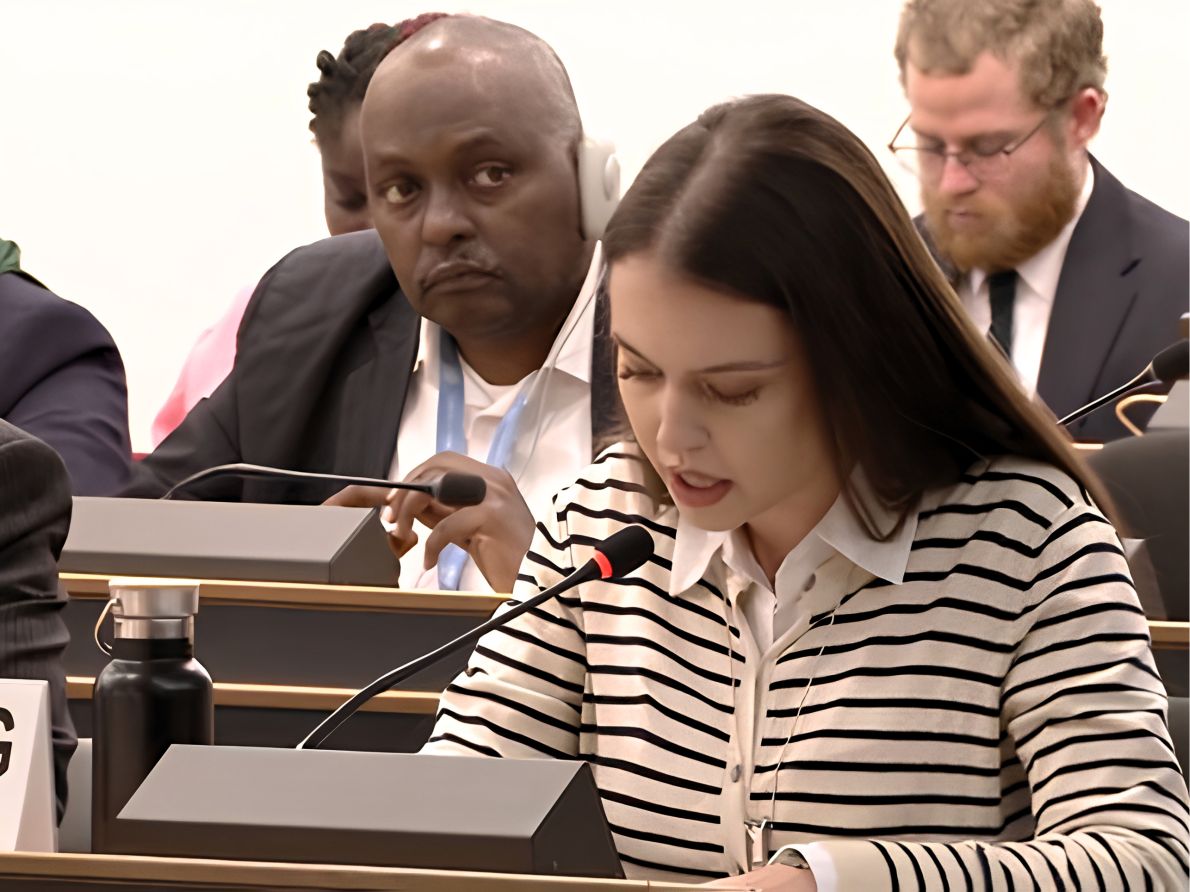
Liridona Krasniqi Popovici, a DBA researcher at SSBM specialising in AI and Marketing, recently completed a placement within the UN ecosystem through Interfaith International. Her role was far from observational. She took on real responsibilities across the full lifecycle of high-level international events — from preparation and logistics through to facilitation within the UN Human Rights Council framework — working on issues including AI and global security risks, human rights and digital transformation, peace and human rights education, and sustainable development.
In doing so, she developed concrete skills in international project management, stakeholder engagement, and strategic communication that no classroom exercise can replicate. But what made the placement equally valuable was the feedback loop into her research. Questions she was studying academically — how international institutions frame and govern emerging technologies — became concrete when she was inside the institution, actually grappling with them. The gap between what governance documents say and what coordinating a UN side event actually involves is significant. That gap only closes through experience.
The fields SSBM Geneva researchers work in do not exist in isolation from international governance. How institutions frame AI risk, how civil society and the private sector interact within multilateral structures, how global cooperation on digital transformation functions – these are not peripheral to business and management research. They are central to it.
A researcher who has worked inside these institutions brings something different back to their writing: not just familiarity with the framework, but with the friction. That, in the end, is what makes the research more honest and more useful.
SSBM will continue to build these pathways for Liridona and the doctoral researchers who follow her.
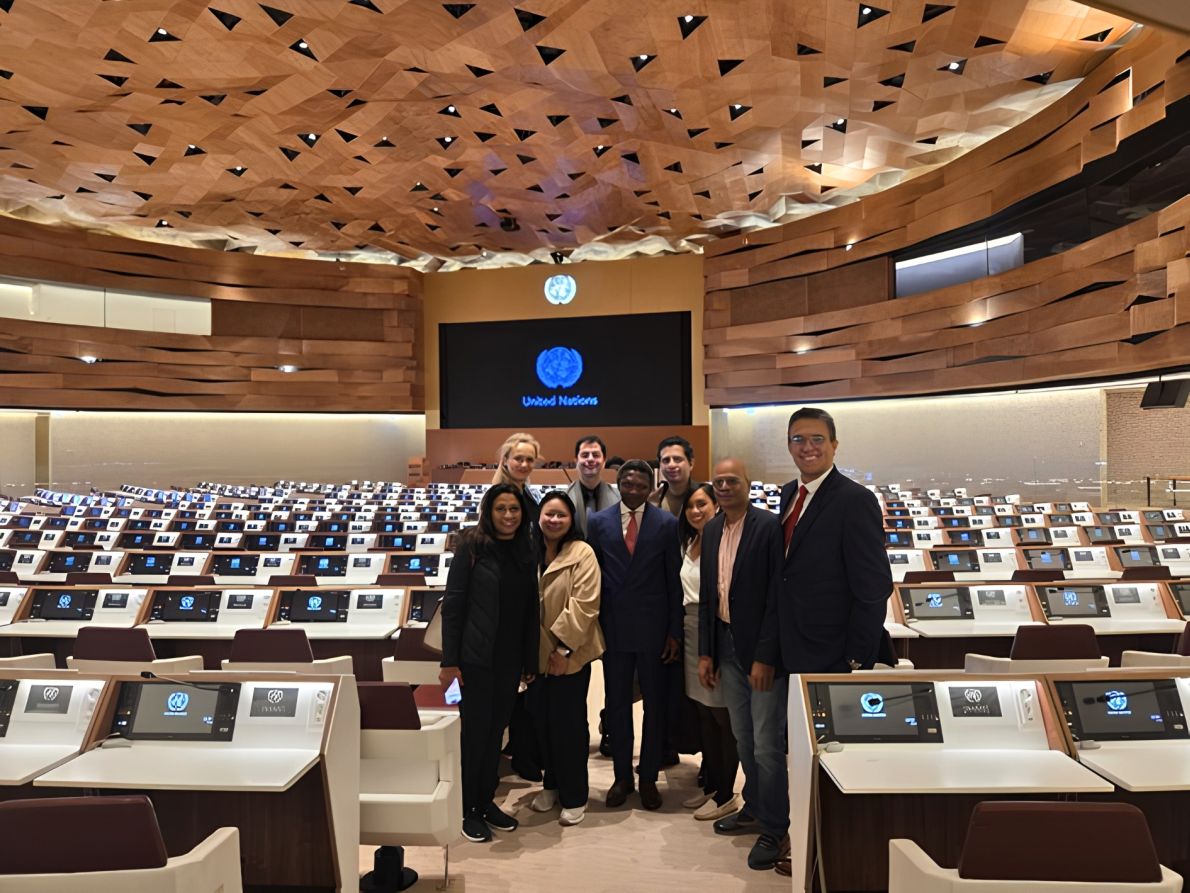
SSBM researchers and civil society partners, Mr Biro Diawara inside the UN Human Rights Council chamber, Palais des Nations, Geneva.
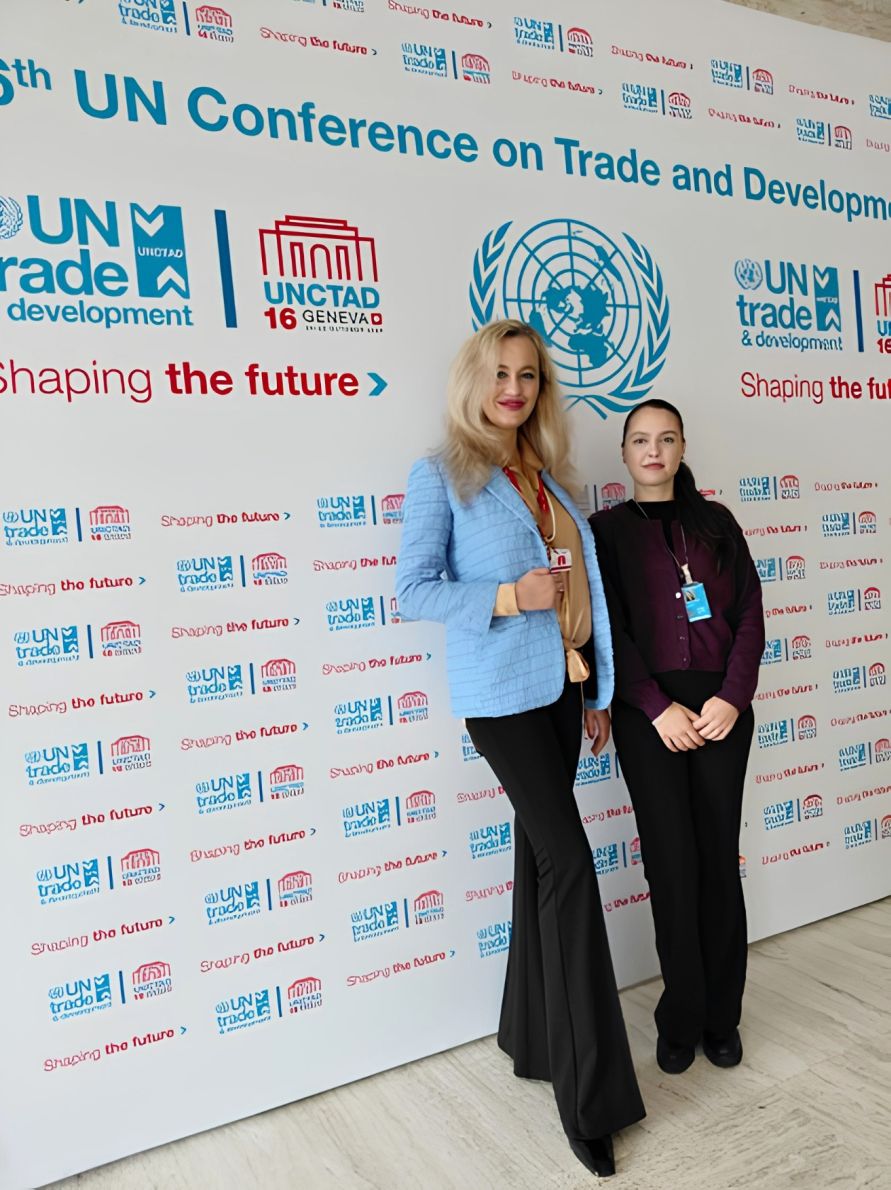
Dr. Olesya Meskina and Liridona at UNCTAD 16, Geneva, October 2025 – the UN Conference on Trade and Development.
References:
United Nations Human Rights Office of the High Commissioner. (2011). Guiding Principles on Business and Human Rights: Implementing the United Nations “Protect, Respect and Remedy” Framework. New York and Geneva: United Nations. Available at: https://www.ohchr.org/en/publications/reference-publications/guiding-principles-business-and-human-rights