We use cookies to enhance your browsing experience, serve personalized ads or content, and analyze our traffic. By clicking "Accept", you consent to our use of cookies. Read More


Article written by Dario Silić, PhD
source: Paris School of Management
From 12 to 14 January 2026, Vienna hosted the annual Euromoney Conference, bringing together more than 800 high-level participants from across Europe and beyond. Five Ministers of Finance, central bank representatives, CEOs of major financial institutions, and senior policymakers gathered with Financial Times economists to discuss the future of monetary policy, inflation management, and fiscal–monetary coordination in an increasingly complex global environment.
What made this year’s conference particularly valuable was the remarkable convergence of ideas emerging from different panels—ideas that can best be described as a shift toward neo-monetarism adapted to Europe’s structural realities.
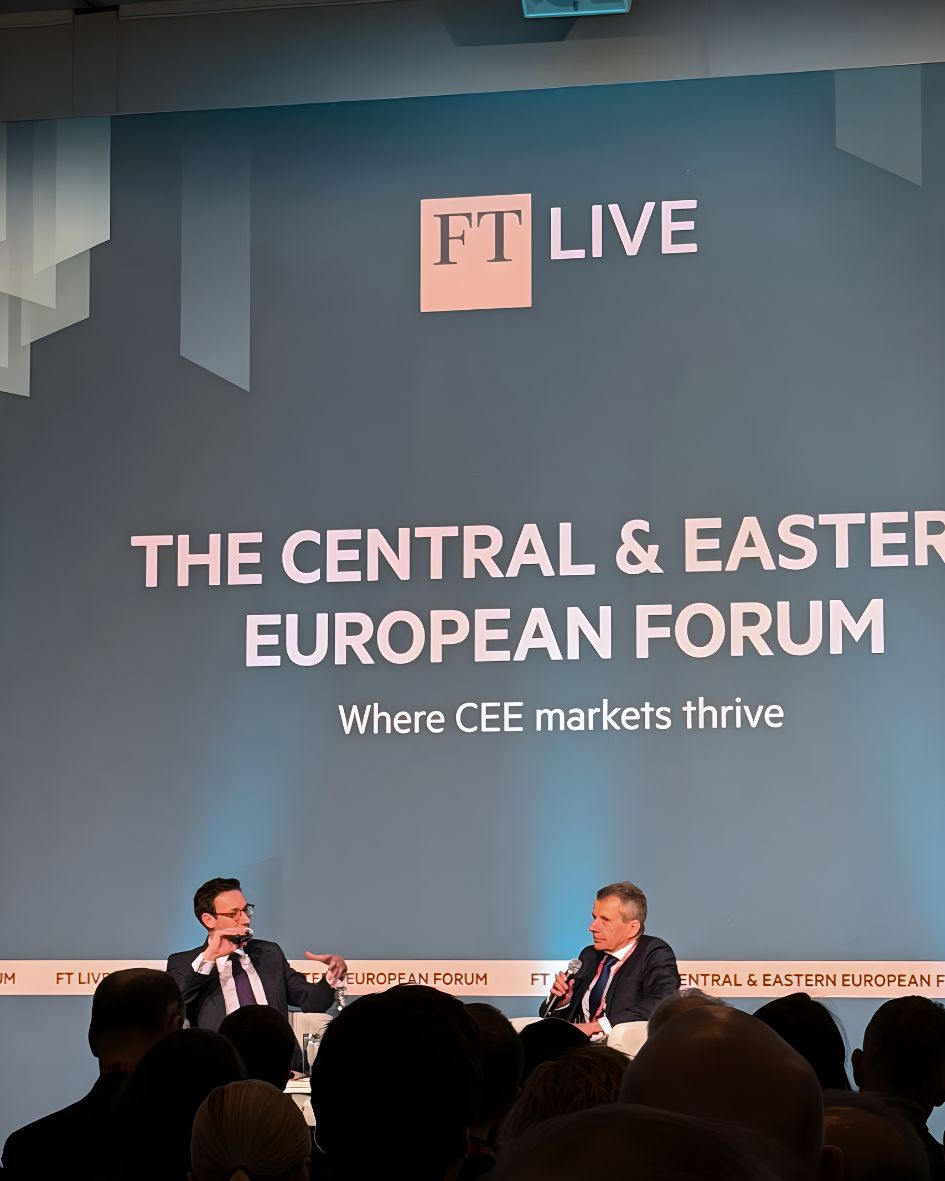
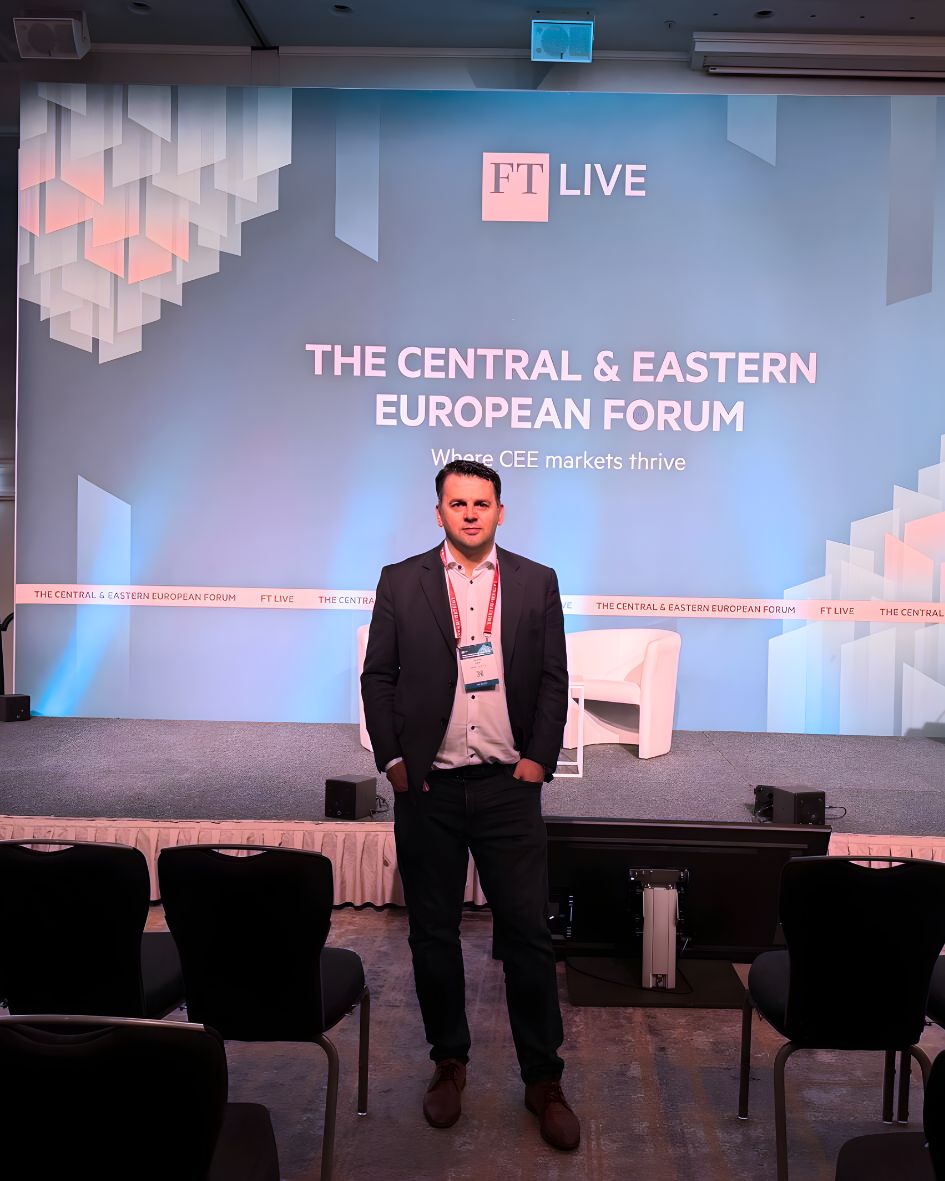
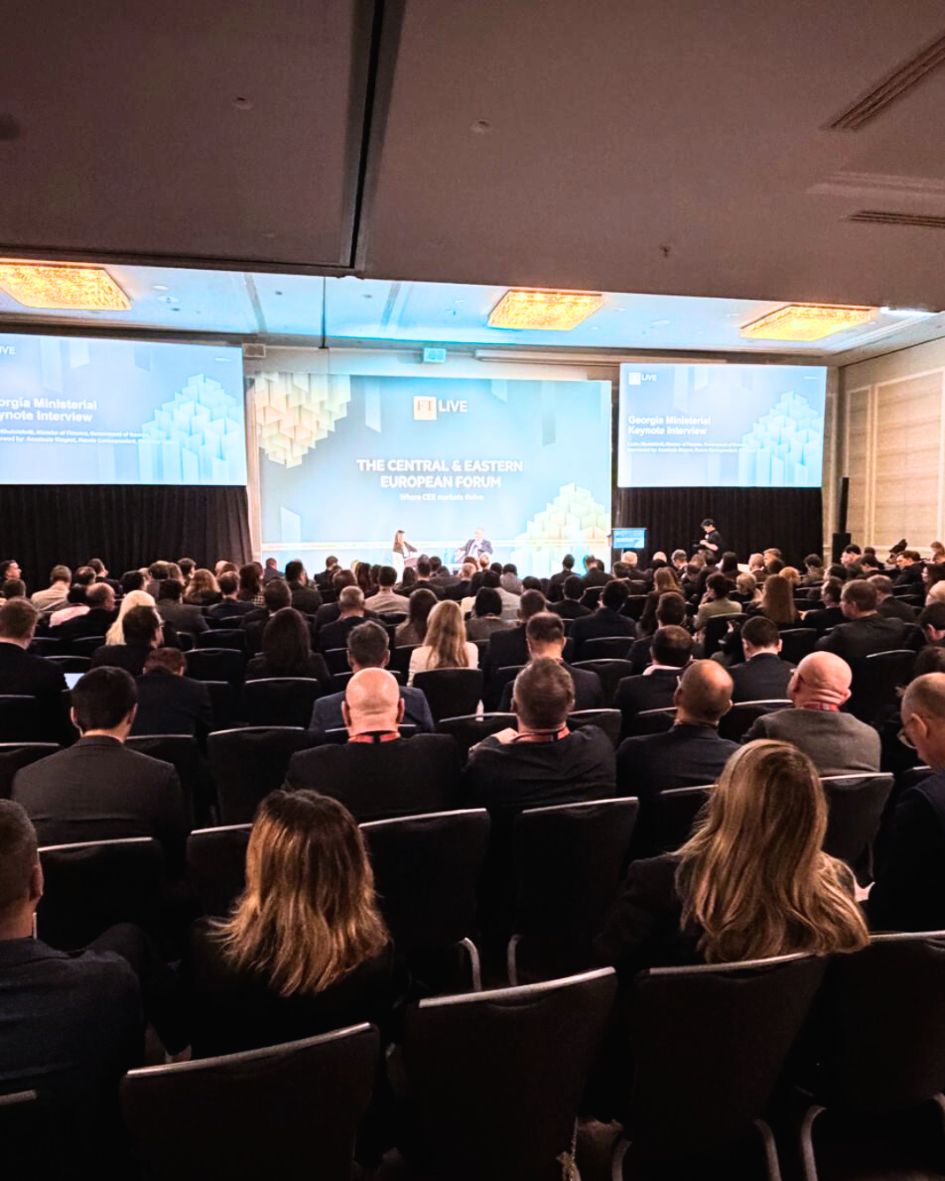
It was exceptional to hear direct feedback and strategic thinking from key stakeholders shaping Europe’s monetary and fiscal architecture, including:
Together with many central bankers, institutional investors, and corporate leaders, these voices offered a rare multi-angle view of Europe’s monetary future.
One of the clearest messages across panels was that inflation in the euro area should no longer be treated as purely transitory. While headline inflation has moderated compared to the 2022–2024 peak, participants broadly agreed on three points:
This represents a departure from traditional ECB communication of the past decade and signals a more realistic and adaptive approach.
A recurring theme was what several speakers implicitly described as neo-monetarism—not a return to rigid money-supply targeting, but a discipline-based framework emphasizing credibility, transmission efficiency, and coordination.
Key elements discussed include:
Unlike classical monetarism, this approach explicitly recognizes:
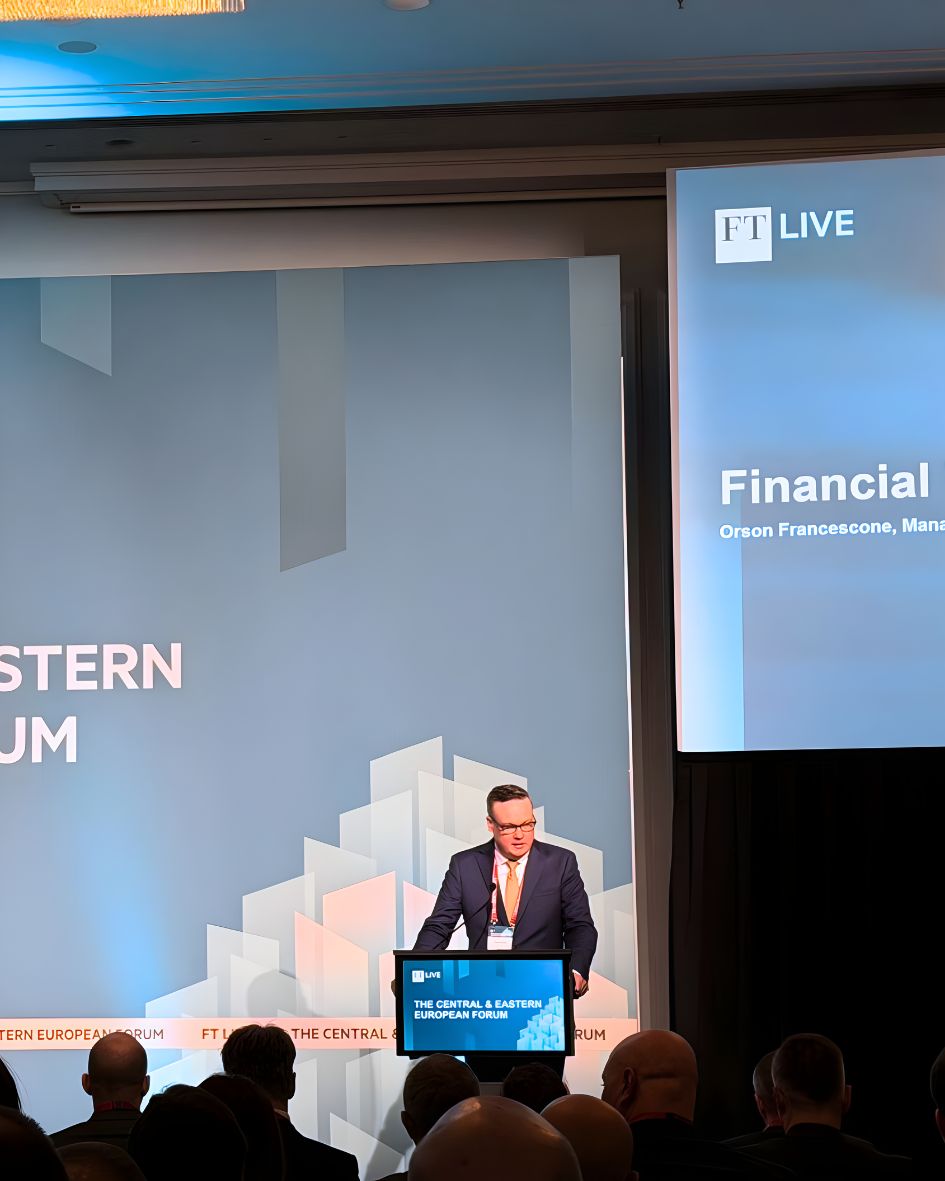
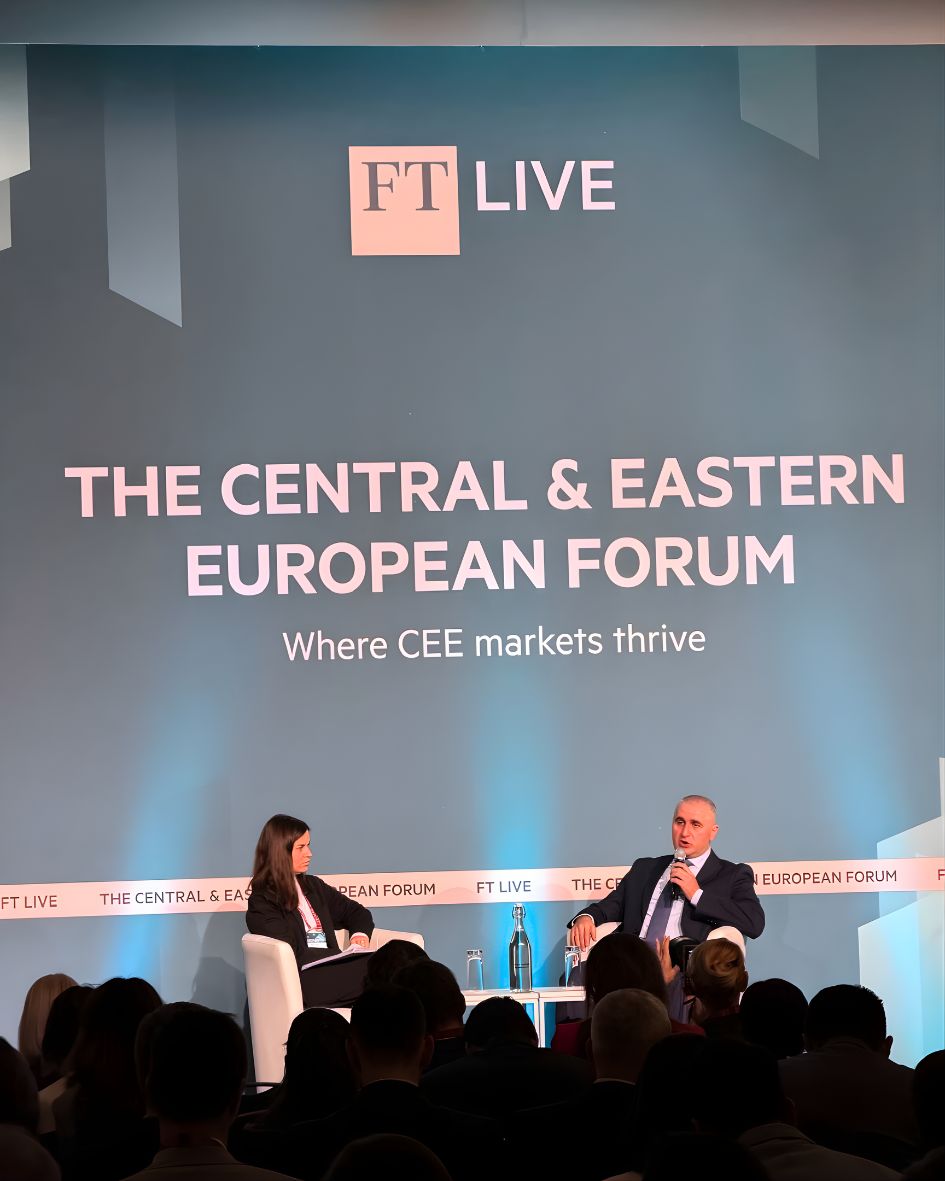
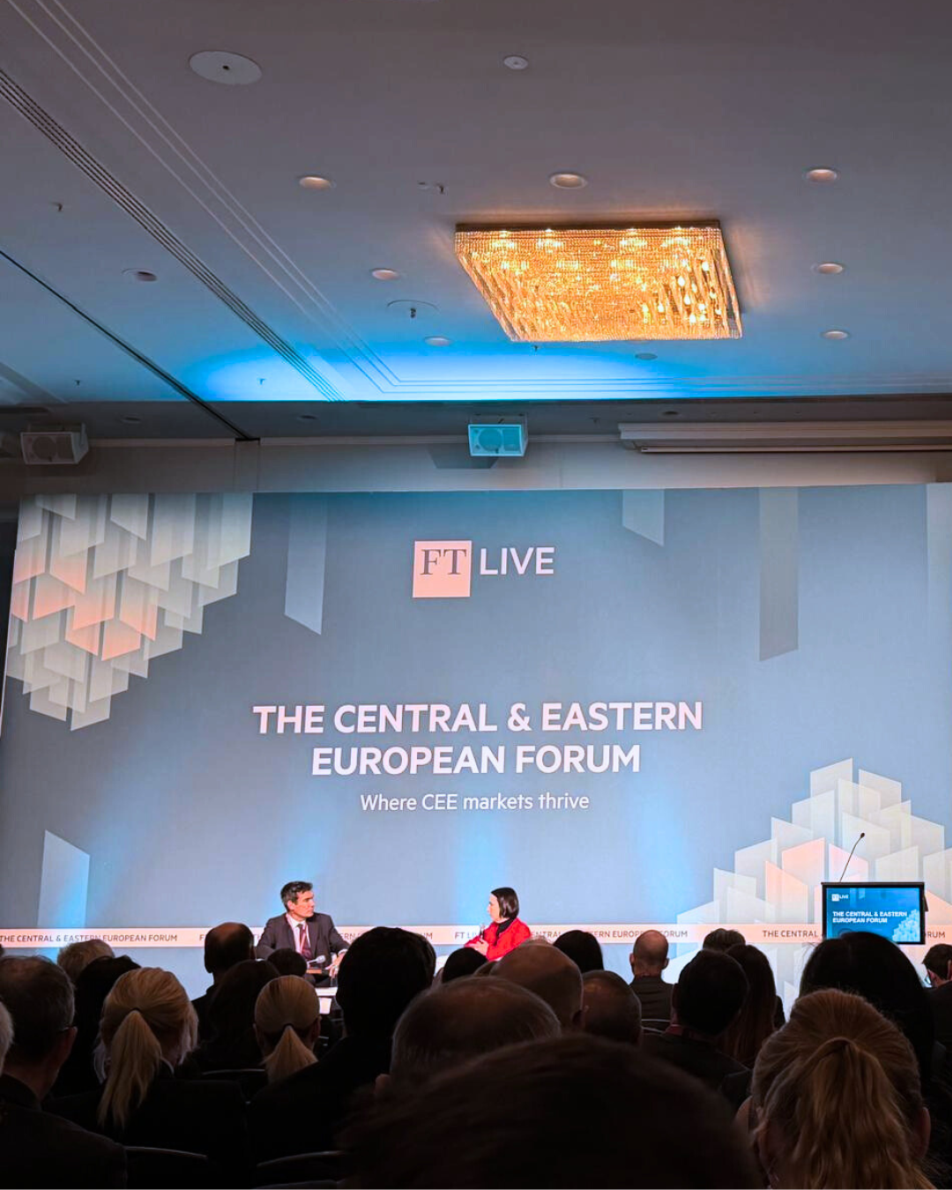
Ministers of Finance were notably aligned on one issue: fiscal policy can no longer act independently of monetary policy.
Several conclusions emerged:
For smaller and emerging EU economies, maintaining market credibility and access to capital markets was repeatedly highlighted as a top priority.
From central bank–adjacent discussions, a clear shift was evident:
This pragmatism reflects lessons learned from recent crises: the pandemic, the energy shock, war, and financial fragmentation.
From CEOs and institutional leaders—particularly from the EBRD perspective—the message was unambiguous:
This has profound implications for public debt management, private investment, and long-term growth.
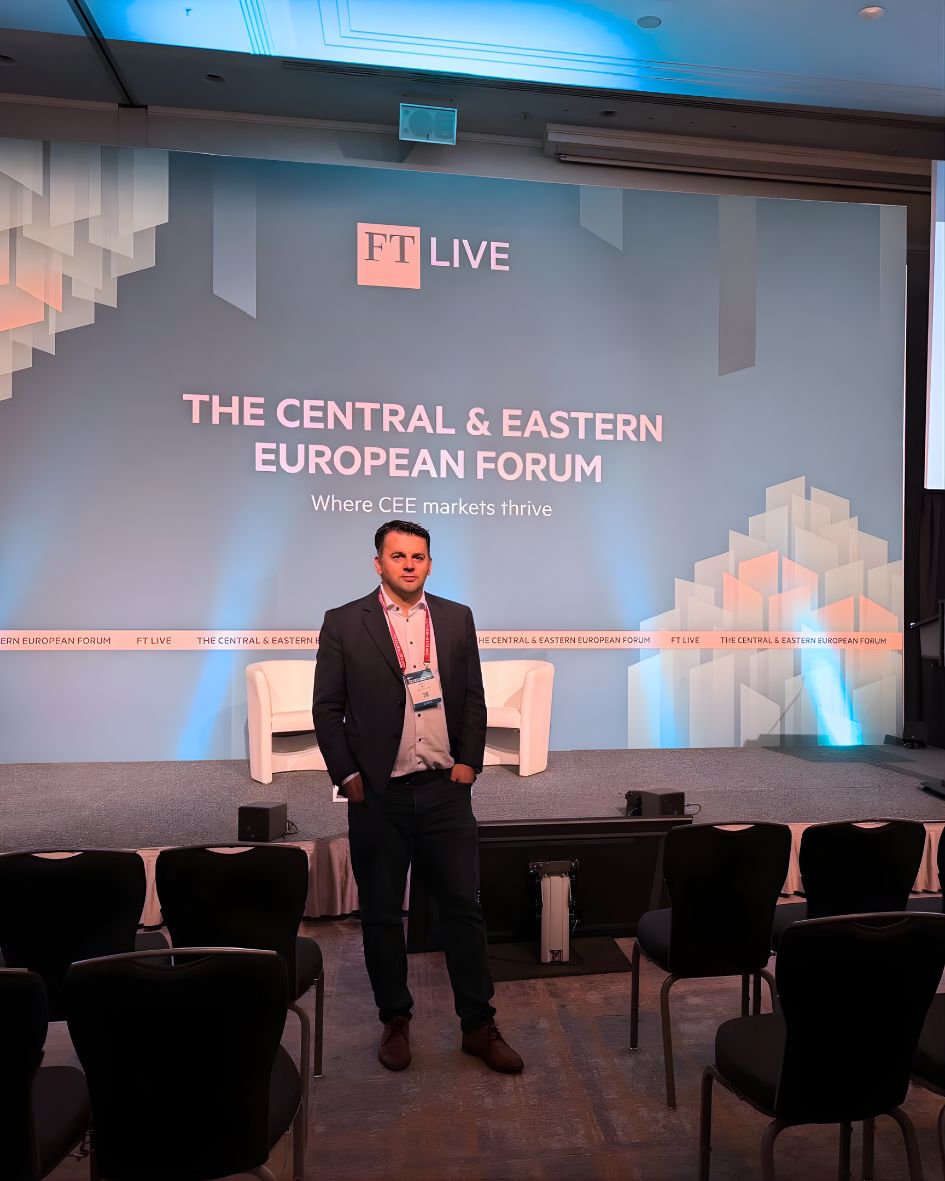
In summary, the main conclusions emerging from different panels were:
As a Professor of Financial Management at SSBM Geneva, my key takeaway from the Euromoney Conference 2026 is clear: Europe’s monetary and fiscal leaders are thinking differently—more cautiously, more strategically, and more pragmatically than at any point in the past decade.
The era of easy answers is over. What replaces it is a more mature—if more complex—economic governance framework, one that may ultimately strengthen the eurozone’s long-term stability.
For academics, policymakers, and practitioners alike, Vienna 2026 offered not just discussion but a glimpse into the future architecture of European monetary policy.