
As artificial intelligence gains momentum across Vietnamese businesses, a critical paradox is becoming increasingly clear: AI adoption is accelerating, yet organisational productivity is not rising at the same pace.
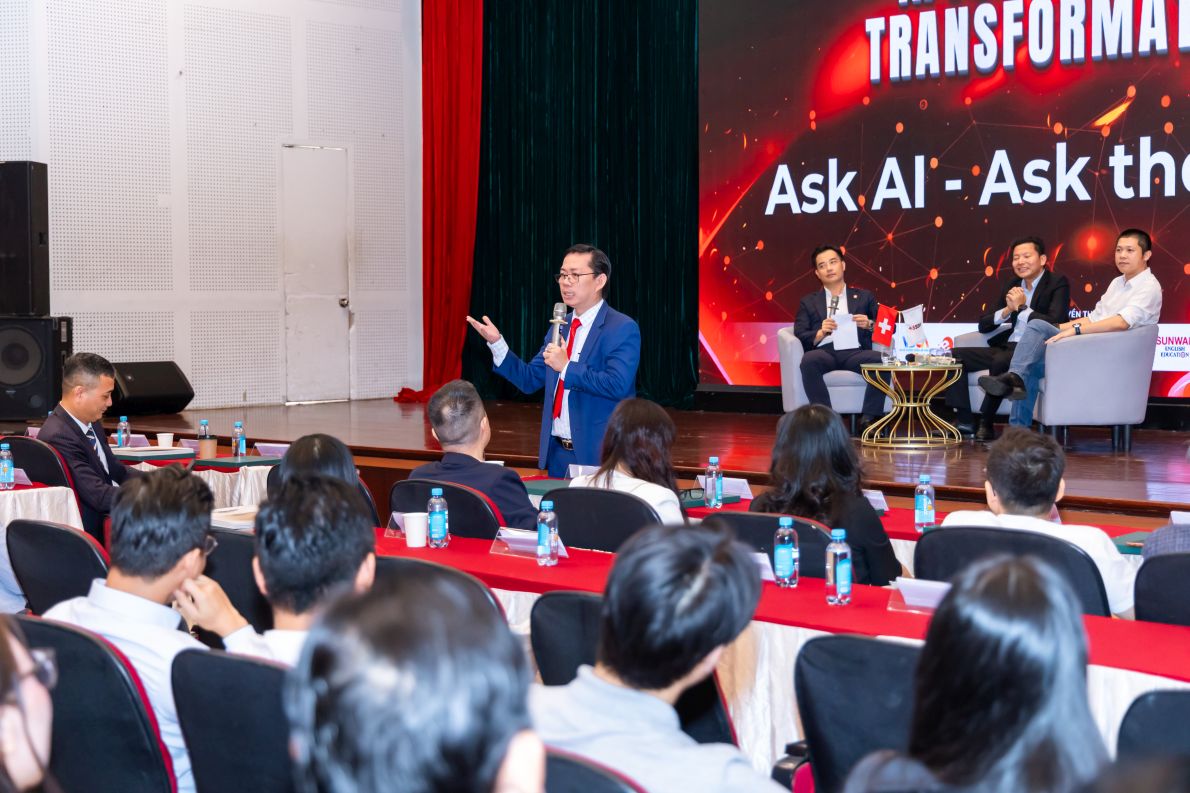
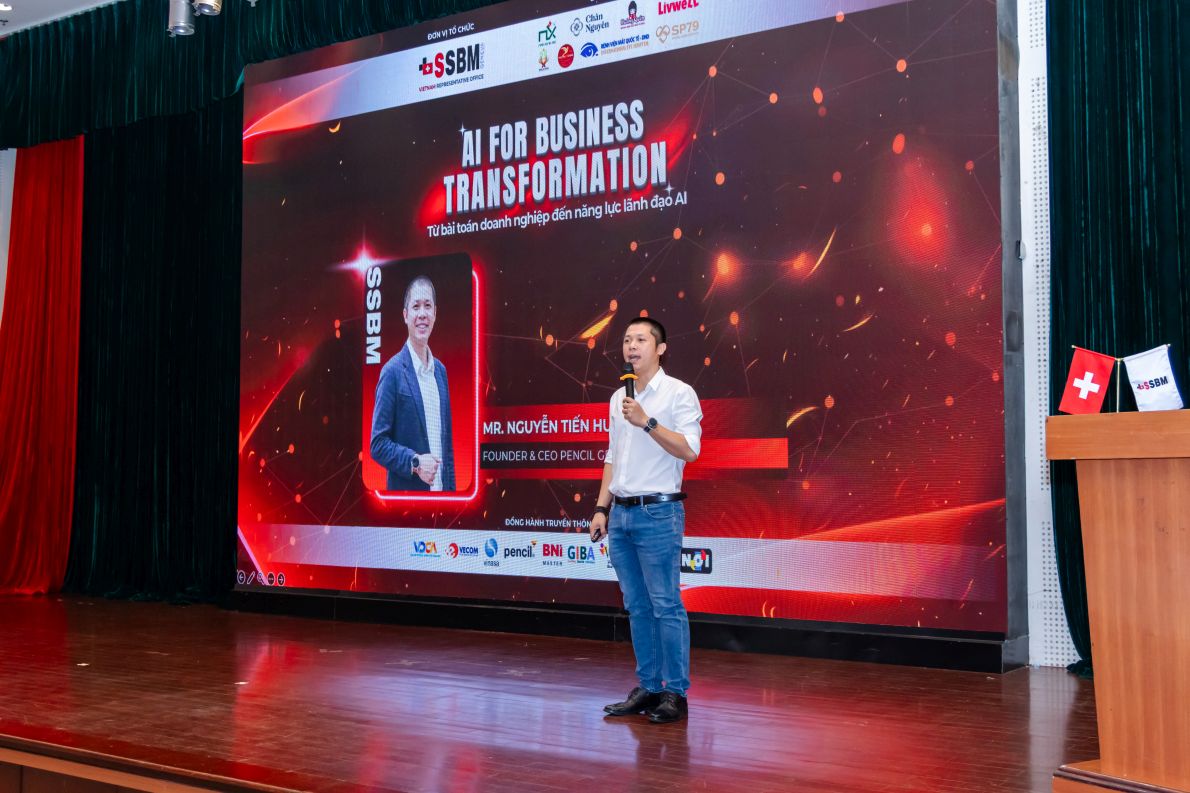
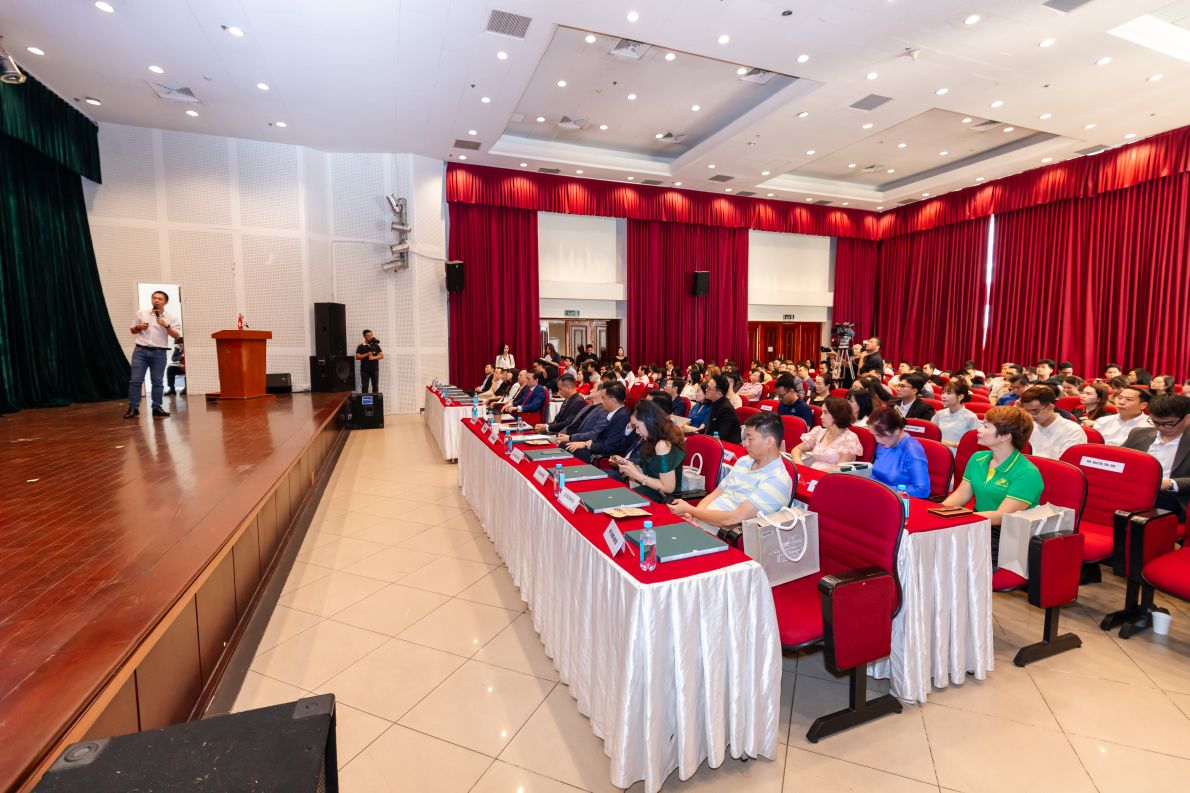
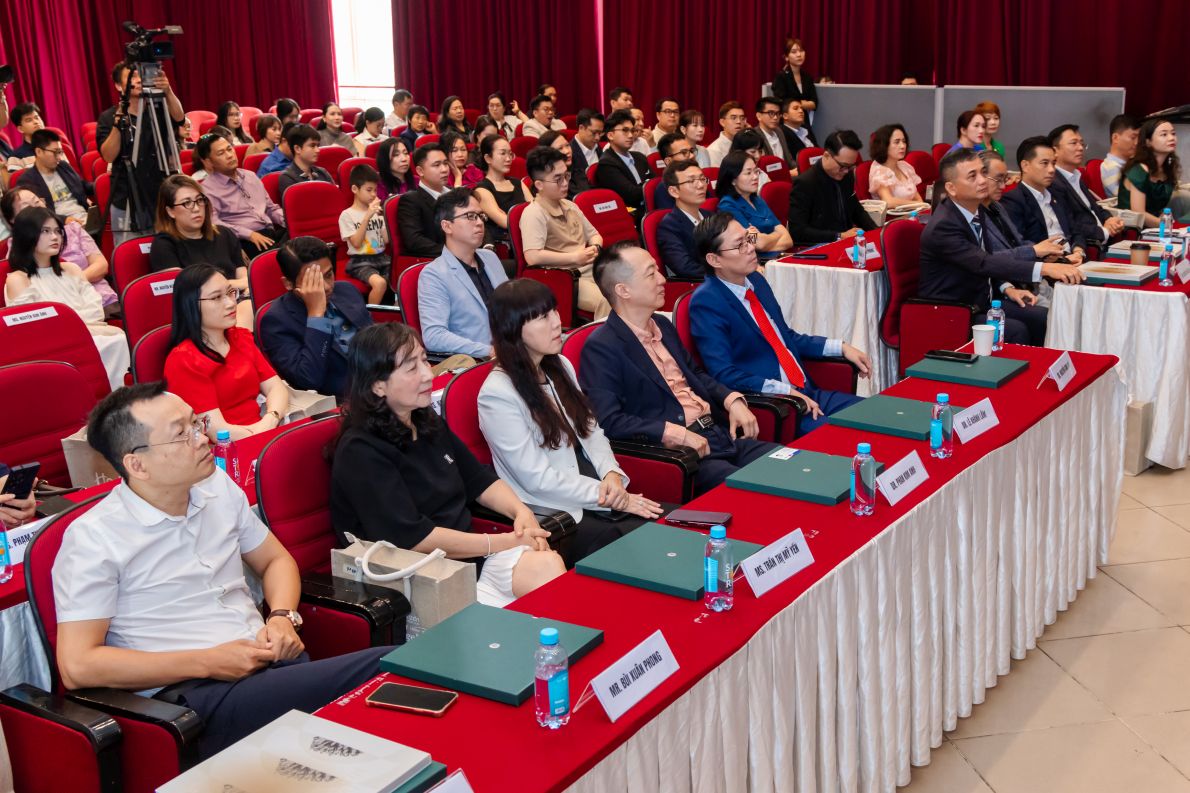
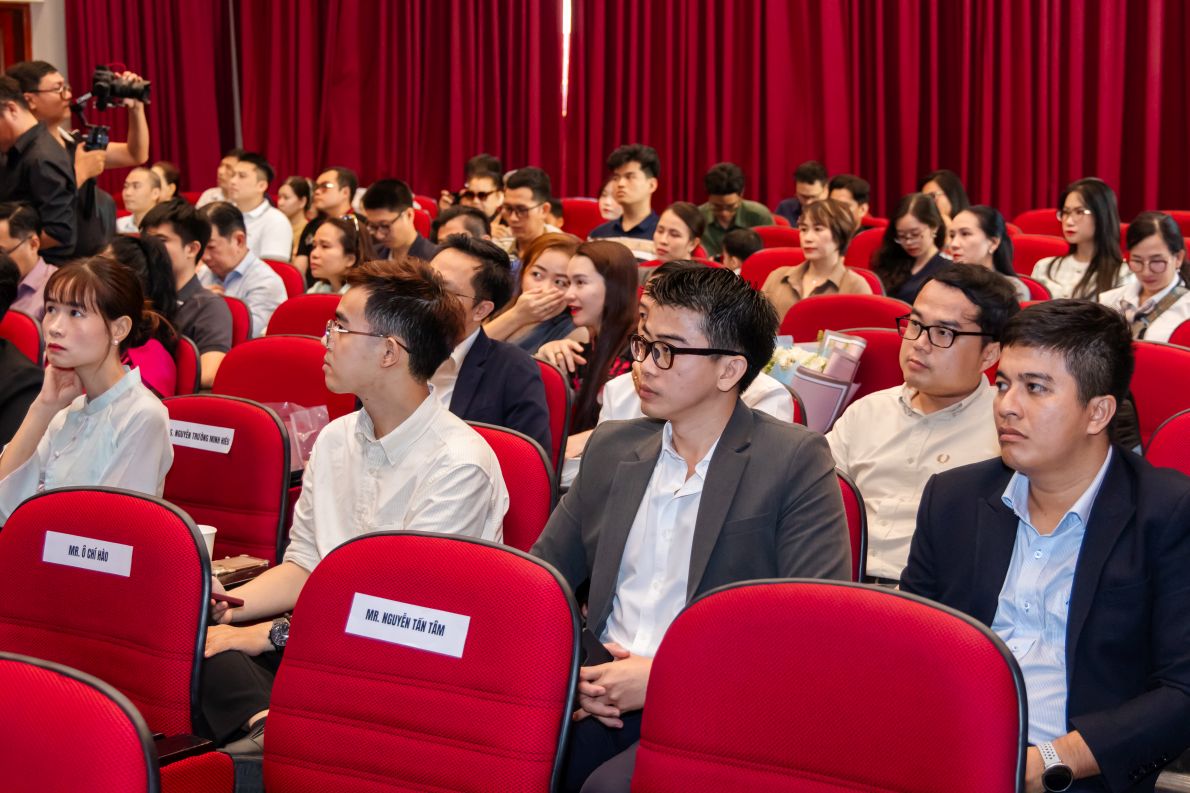
This challenge was at the centre of Executive Café #9, hosted by SSBM Vietnam on 19 April 2026 under the theme “AI for Business Transformation: From Business Challenges to AI Leadership Capability.” Bringing together business leaders, experts, and practitioners, the event focused on a timely question: not simply whether organisations are adopting AI, but whether they are doing so in ways that create measurable business value.
A key message emerged throughout the discussion: in many organisations, AI adoption remains fragmented, tactical, and insufficiently connected to business strategy. Teams may adopt tools quickly, yet without a shared operating model, a governance framework, or clear performance metrics, the organisation as a whole does not necessarily become more effective.
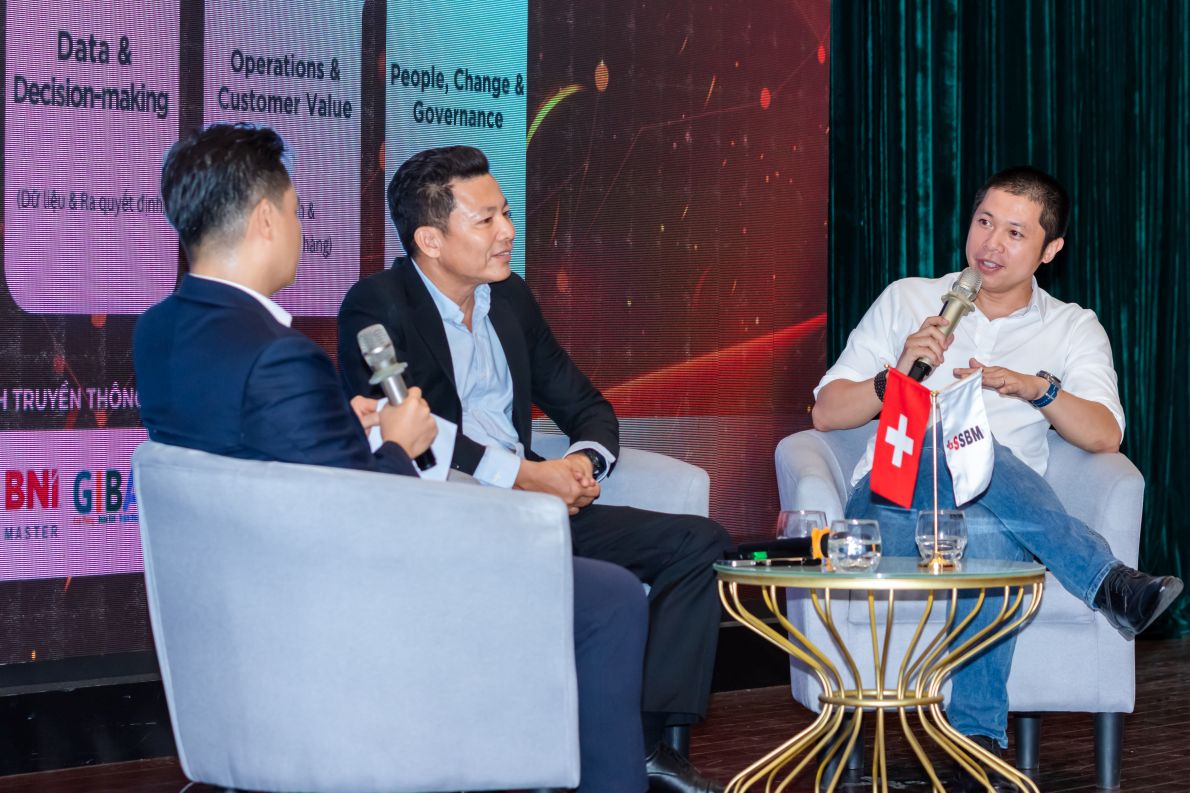
During the Executive Talk and panel discussion, speakers offered grounded perspectives on why AI adoption has yet to translate into stronger organisational performance. Dr. Le Minh Thanh highlighted that the core issue is not a shortage of technology, but a gap in AI governance and leadership capability at the organisational level. Mr. Kieu Manh Toan reinforced that individual AI capability does not automatically translate into business performance without what he described as an “AI operating system” at the leadership level. Mr. Nguyen Tien Huy added an operational perspective, noting that when departments adopt AI independently, organisations often face fragmented data, inconsistent workflows, and weaker execution quality.
The discussion also pointed to a broader concern: many organisations are embracing AI in response to market pressure rather than a clearly defined value case. As a result, investments are often made without sufficient clarity on how AI is expected to improve efficiency, service quality, customer experience, or growth.
Across the conversation, three major bottlenecks stood out: the absence of an AI strategy linked to business priorities, limitations in data quality and readiness, and capability gaps at the middle-management level. These challenges suggest that the next phase of AI transformation will be defined not by access to tools alone, but by the ability of leaders to align technology with strategy, people, and organisational design.